Introduction
I still remember one of my trips with a backpack that was clearly not the right choice. At the time, I thought it would be fine, that it was just a small detail. But very quickly, that detail became a constant weight on my shoulders—both literally and mentally.
Too heavy, poorly fitted, poorly organized… every movement became a small challenge. I regretted that choice throughout the entire trip, and I learned something simple but essential: your backpack is your daily life in motion. When it doesn’t suit you, everything becomes harder.
That’s exactly why I’m writing this article today. To help you avoid the mistakes I made, and above all, to help you choose a backpack that truly supports you, rather than slowing you down.
Why choosing the right backpack is CRUCIAL
When you travel, your backpack becomes much more than just a way to carry your belongings. It’s the space where you live, organize yourself, and adapt on a daily basis. Everything you bring on your trip depends on it, which is why its choice directly shapes your entire experience.
An ill-suited backpack is quickly felt: back pain, tired shoulders, constant imbalance while moving. On the other hand, a well-chosen backpack allows you to move with ease, without constantly thinking about it, and to save your energy for what truly matters: discovering, exploring, living.
Many travelers make the mistake of choosing a bag that is too big, thinking they will need “extra space just in case.” Others prioritize style or price over comfort. As a result, they often end up with a backpack that is too heavy, poorly structured, or simply not adapted to the reality of travel. And once you’re on the road, these choices are difficult to fix.
Essential criteria for choosing your backpack
Size (in liters) 🎒
20 à 30 L
A 20 to 30-liter backpack is best suited for short trips or very minimalist travelers. It forces you to make precise choices, but it offers great freedom of movement and a very light feel in everyday travel.
40 à 50 L
A 40 to 50-liter backpack is often considered the ideal size for backpacking. It allows you to be self-sufficient without going overboard, offering a good balance between space, organization, and mobility.
60 L et +
Above 60 liters, you enter a category where the backpack quickly becomes bulky. Even if it may seem practical to bring everything, you often end up overpacking it, which significantly increases weight and fatigue, especially over long periods of travel.
It’s also important to consider something that is often overlooked: airline tickets and baggage fees. Today, many airlines no longer include checked luggage in the base fare. This means that a backpack that is too large can lead to significant extra costs. Choosing a carry-on–compatible size can therefore not only make travel easier, but also help save money along the way.
Comfort ⚖️
Comfort is probably the most important factor when choosing a travel backpack, because it directly affects your energy on a daily basis.
Thick, well-padded shoulder straps make a huge difference, especially when the bag is fully loaded. They help distribute the weight more evenly and prevent painful pressure points on the shoulders.
The hip belt is often underestimated, but it is essential. It transfers a large portion of the weight to your hips instead of leaving it all on your back, making the backpack much more stable and less tiring over long distances.
Finally, back adjustment plays a key role. A good backpack should adapt to your body shape: adjustable height, lumbar support, and overall fit. A well-fitted bag feels like it “becomes part of you” rather than something you are constantly carrying.
Durability 🌧️
A travel backpack is constantly exposed to wear and tear, frequent movement, and sometimes unexpected weather conditions.
Water resistance is an important first factor. Even if not all backpacks are fully waterproof, it’s better if they offer good protection against rain and humidity. This helps protect your clothes and essential items without constant stress on wetter days.
The quality of the zippers is also crucial. It’s often one of the first parts of a backpack to break. Strong, smooth zippers reduce the risk of failure during your trip and help avoid unpleasant surprises when you need your bag the most.
Finally, the strength of the seams determines the overall durability of the backpack. Reinforced, well-constructed stitching ensures that the bag can handle weight and repeated movement without tearing, even after months or years of use.
Organization 🧳
The internal organization of a backpack can truly change your daily travel experience, especially when you’re constantly on the move.
Front access (like a suitcase opening) is very practical, as it allows you to fully open the bag and easily reach everything inside without having to unpack everything. On the other hand, top-loading backpacks are more traditional, but can be less convenient when you need something quickly from the bottom of the bag.
Useful pockets also make a big difference. Well-placed compartments for items you use often (water bottle, passport, charger, etc.) save time and prevent you from having to dig through everything each time.
Finally, having a laptop compartment or separate sections for clothing adds real structure to your bag. It helps you stay organized, keeps important items accessible, and allows you to separate clean and dirty clothes or fragile items from the rest.
Your travel style ✈️
Choosing a backpack also depends a lot on your way of traveling, because there is no universal “perfect” model—everything comes down to your needs on the road.
If you’re more into slow travel, with longer stays in one place, a slightly larger and better-organized backpack can be a good fit. You don’t need to carry everything constantly, so you can prioritize comfort and capacity.
On the other hand, for fast travel, where you move frequently from one place to another, a more compact and lightweight backpack becomes essential. The less weight you carry, the smoother and faster your transitions will be.
Your travel environment also plays an important role. In cities, a discreet, ergonomic backpack that is easy to access is often more practical, especially when using public transport or moving quickly between places. In nature, you’ll want something more durable, comfortable, and resistant to outdoor conditions.
Finally, your mode of transport also influences your choice. If you travel a lot by plane, it can be strategic to choose a carry-on–compatible backpack to avoid baggage fees and save time. With buses or long overland travel, comfort over long hours and overall durability become even more important.
Best backpack brands 🎒
Budget-friendly: getting started without breaking the bank 💸
You don’t need to spend a fortune to find a good travel backpack. If you’re just starting out in backpacking or only travel occasionally, several brands offer solid options at affordable prices.
Among the most popular references are Quechua and Forclaz, which provide functional, durable backpacks that are especially appreciated by budget travelers. For more urban use or shorter trips, Herschel and JanSport are also good options.
The main advantage of these backpacks is their excellent value for money. They allow you to start your adventure without a major investment while still offering enough space and comfort for short or occasional trips.
However, if you plan to travel for several months, walk frequently with your bag, or constantly move from place to place, you may notice some limitations in terms of comfort, fit, or durability compared to higher-end models. That said, for a first trip or a tighter budget, they remain very solid choices.

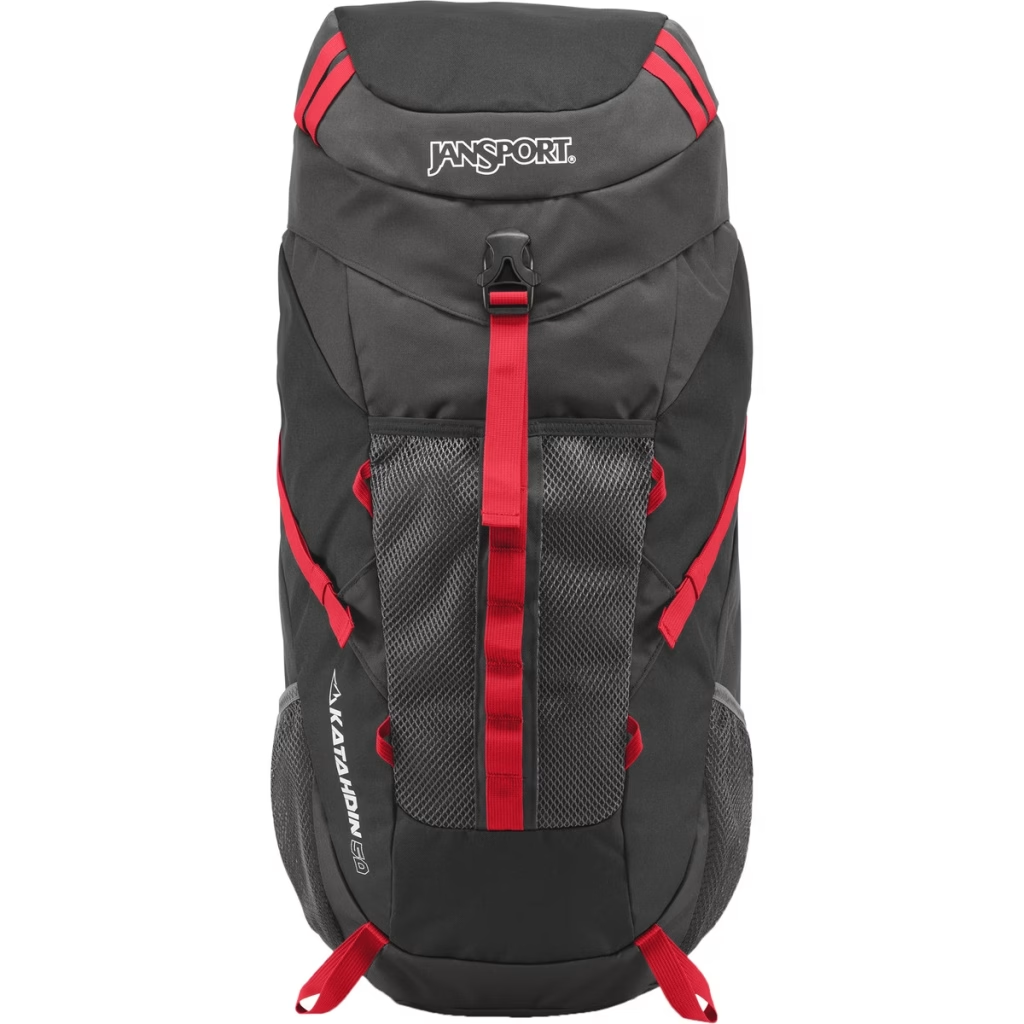
Mid-range budget: the best balance between comfort and quality 💰
If you plan to travel regularly or go away for several weeks or even months, this category is often the best investment. It’s also where you’ll find the most popular brands among experienced backpackers.
Brands like Osprey, Deuter, Gregory, and The North Face are known for their comfort, durability, and overall build quality.
Their main advantage lies in weight distribution. Thanks to more advanced carrying systems, effective hip belts, and better adjustment options, these backpacks remain comfortable even when fully loaded. They are also designed to withstand years of use, making them a great investment for travelers who plan to hit the road multiple times.
If you asked me which category I recommend for most travelers, it would probably be this one. The price is higher than entry-level models, but the gain in comfort and durability is often significant. For many backpackers, this is where the best balance between budget, comfort, and performance is found.
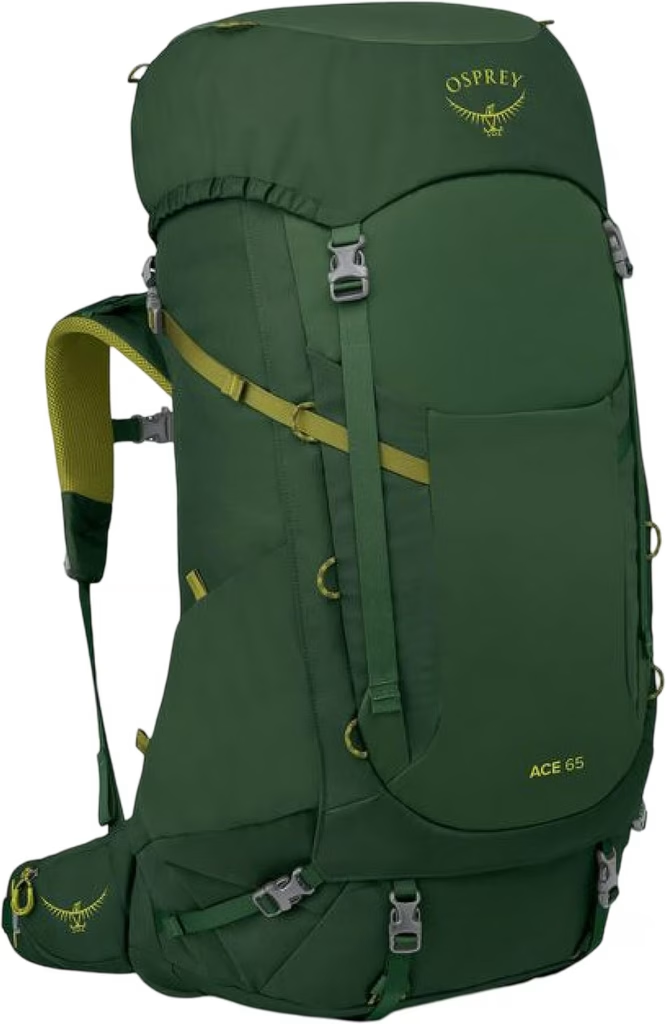
High-end: for demanding travelers 💎
For frequent travelers, digital nomads, or those looking for the very best in quality, high-end backpacks can be an excellent investment. Although they come with a higher upfront cost, they are often designed to last for many years.
Brands such as Fjällräven, Peak Design, Timbuk2, and Tumi are known for their high-quality materials, attention to detail, and thoughtfully designed products.
These backpacks often stand out for their excellent internal organization, highly durable materials, and well-designed features. Some models offer impressive modularity, allowing you to adapt the bag to different types of travel—whether it’s a weekend in the city, a business trip, or a multi-week adventure.
However, it’s important to note that these models are generally more expensive, and some prioritize design and organization over technical hiking performance. They are especially suited for travelers who value durability, comfort, and aesthetics, and who are ready to invest in a backpack they will use for many years.

Conclusion
Choosing a travel backpack is not just about comparing liters, zippers, or brands. It’s about choosing the companion that will follow you through train stations, airports, long walking days, and unexpected adventures.
The best backpack is not necessarily the most expensive or the most popular. It’s the one that fits your type of travel, your body, and your way of exploring the world. A bag that allows you to feel free, organized, and comfortable, no matter where the road takes you.
Take the time to try it on, compare options, and reflect on your real needs. Because in the end, a good backpack doesn’t just carry your belongings: it carries a part of your journey.
Leave a Reply